Project Background
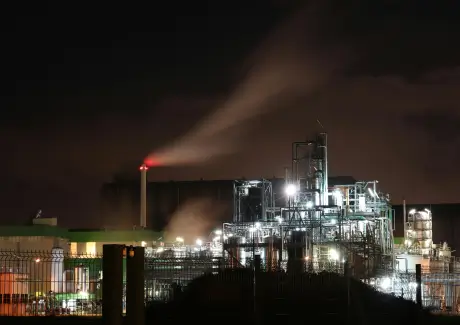
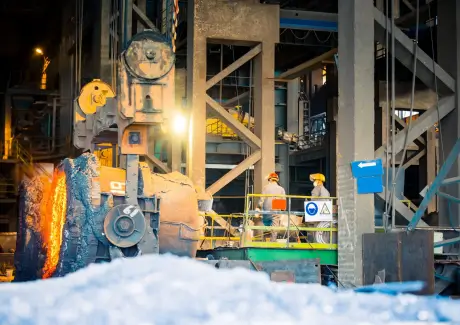
The harsh environment of waste incineration presents one of the most severe challenges for refractory materials. Combustion chambers and flue ducts are attacked by extreme temperatures, thermal cycling, mechanical abrasion from moving waste, and highly corrosive chemical agents from melting ash, alkalis, chlorides, and heavy metals. Traditional brick linings often fail prematurely due to joint erosion and spalling, leading to frequent, costly shutdowns. In this demanding setting, advanced monolithic refractory castables have emerged as a transformative lining solution, enabling stronger, longer-lasting, and more adaptable protection.
Solution
Material Selection:
A low-cement high-alumina castable was chosen for its superior thermal shock resistance and chemical corrosion resistance.
Structural Design:
The anchoring system was optimized to minimize thermal stress cracking, while wear-resistant layers were applied in critical zones to extend service life.
Construction Technique:
The gunning method was employed for rapid installation, reducing downtime.
Conclusion
A prime example of innovation is the application of high-alumina, low-cement, and ultra-low cement castables (LCC/ULCC) with specialized additives. For instance, in the lower furnace and slag-tap areas, phosphate-bonded or chrome-corundum castables provide exceptional resistance to acidic slag penetration and abrasion. Furthermore, the development of non-wetting agents incorporated into the castable matrix significantly reduces the adhesion of molten ash and slag, allowing them to shed more easily. The single greatest advantage is the joint-free monolithic construction, which eliminates the weak points inherent in brickwork. This construction method allows for complex geometries, rapid installation, and seamless integration of anchor systems, creating a true “one-piece” armor against corrosive infiltration.
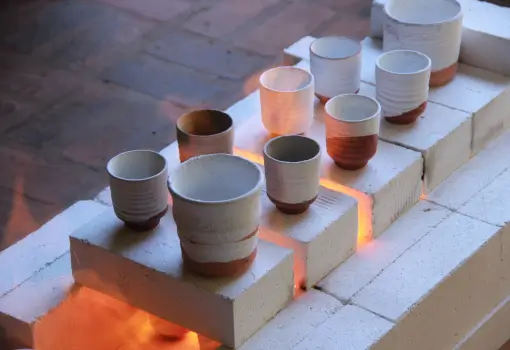
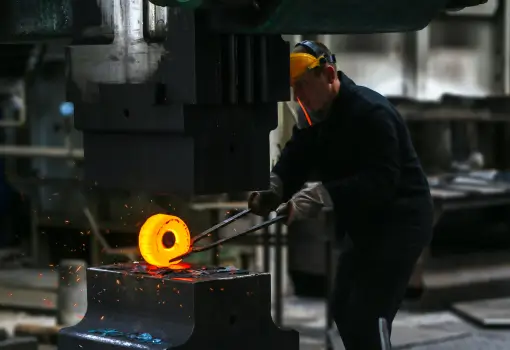
The operational and economic benefits for incinerator operators are substantial. The use of these engineered castables dramatically extends campaign life—often by 50% or more compared to traditional refractories—directly reducing the frequency of major refractory overhauls. This translates to higher plant availability and throughput, significantly lower maintenance costs, and improved long-term operational safety by ensuring lining integrity. The innovative design of these materials directly supports the core goals of waste-to-energy plants: maximizing energy recovery, ensuring environmental compliance through stable operation, and achieving superior cost-efficiency in turning municipal and industrial waste into a reliable energy resource.