Background
Waste incinerators face severe operational challenges, including high temperatures, corrosive gases (e.g., HCl, SO₂), and molten slag erosion. Traditional refractory brick linings are prone to cracking and spalling, leading to frequent maintenance. To enhance furnace lining longevity and thermal efficiency, a high-performance refractory castable solution was implemented, significantly improving operational stability.
Solution
In the high-temperature calcination process of cement production, critical components such as the rotary kiln, preheater, and grate cooler are constantly subjected to intense thermal shocks exceeding 1400°C and chemical erosion. Refractory materials serve as the “invisible armor” safeguarding production, and their performance directly determines the operational efficiency, energy consumption, and safety of the entire kiln system.
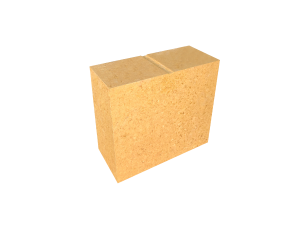
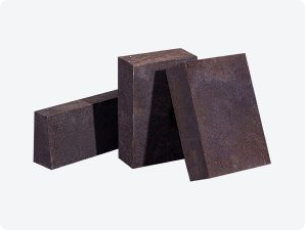
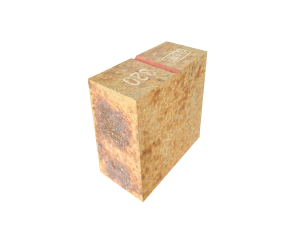
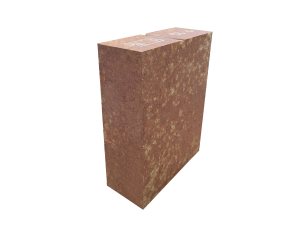
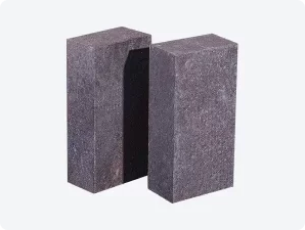
The selection of refractories is a science of precision. For the sintering zone of the rotary kiln, which faces the most severe conditions, magnesia-chrome bricks or environmentally friendly magnesia-alumina-spinel bricks with superior corrosion resistance are essential. The preheater and tertiary duct require lightweight insulating refractories with good thermal shock resistance to improve energy efficiency. For the grate cooler, high-strength, wear-resistant castables are the preferred choice to withstand the abrasion from clinker and constant air flow.
Conclusion
Investing in high-performance, application-matched refractory solutions is a strategic move for sustainable profitability. It extends kiln campaign life, reduces unscheduled downtime for lining repairs, and enhances thermal efficiency for lower fuel costs. Ultimately, a robust refractory strategy translates into higher operational stability, superior product quality, and a stronger competitive edge in the demanding cement market.